What are the challenges in the treatment of wastewater?
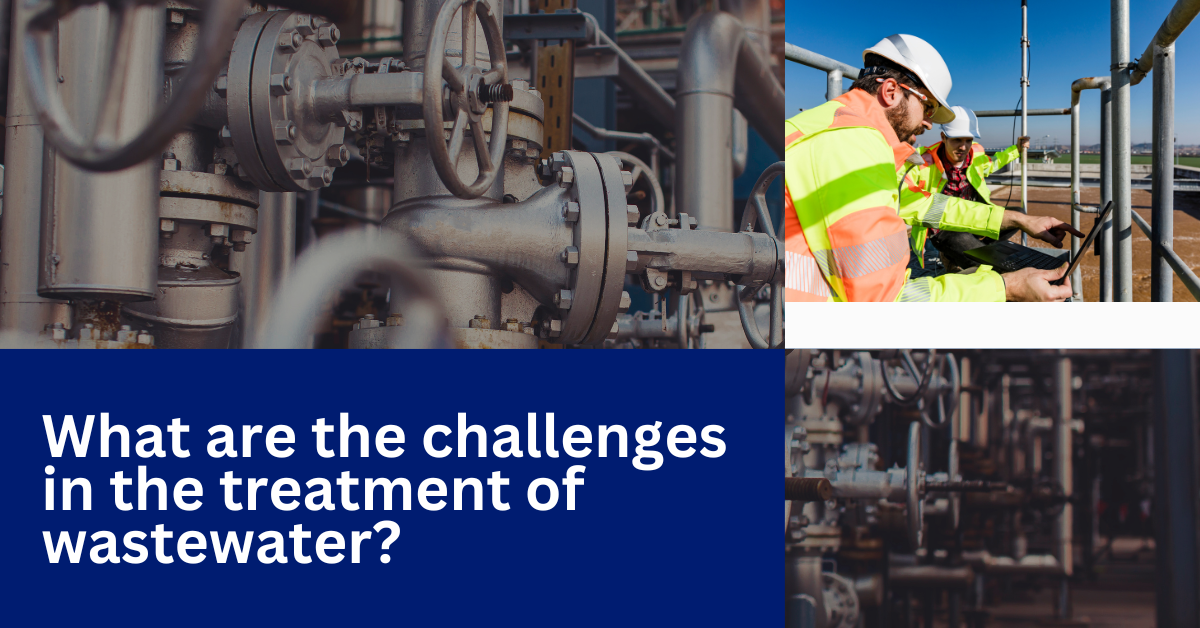
Industrial wastewater treatment is a critical process that ensures the safety of our water resources and the environment. Through various industrial wastewater treatment techniques, industries aim to meet regulatory standards while reducing ecological harm.
However, treating wastewater comes with its own set of challenges that impact efficiency and sustainability. This article dives into these obstacles, offering insight into the multifaceted issues industries face.
What are the challenges of liquid waste management?
Liquid waste management is fraught with complexities, starting with the safe collection, transportation, and storage of waste.
- Volume Management: Managing the sheer volume of liquid waste is a significant challenge for many industries. Every day, industries generate vast quantities of waste, often exceeding the capacity of conventional storage or transportation systems. Without effective solutions excess waste can overwhelm facilities, leading to delays, inefficiencies, or even environmental hazards. This makes reliable infrastructure for storage and transportation absolutely essential.
- Complex Composition: Industrial wastewater often contains a complex mix of contaminants, including harmful chemicals, heavy metals, and organic matter. This diversity in composition significantly complicates treatment processes, as different contaminants require different approaches for effective removal. For example, heavy metals may require advanced filtration technologies, while organic pollutants might need biological treatment methods. Achieving adequate purification often demands a combination of techniques, adding to the complexity.
- Regulatory Compliance: Environmental laws and regulations are becoming increasingly stringent to protect ecosystems and public health. While adhering to these regulations is essential, it can be challenging due to variations in waste composition, treatment infrastructure, and regional guidelines. Industries must constantly adapt their processes to remain compliant, which can require significant investment in technology, training, and oversight.
These challenges in water treatment demand precision and advanced planning to mitigate risks and ensure sustainability. For instance, inadequate transportation systems can result in hazardous spills, posing serious environmental and safety threats. Similarly, improper storage of liquid waste can lead to leaks or contamination of surrounding soil and water sources, causing long-term damage. Addressing these issues requires a proactive approach, combining innovative technologies, regulatory awareness, and strong operational systems.
What are the challenges of industrial wastewater?
Industrial wastewater poses unique challenges because its composition varies tremendously depending on the industry.
- Variability in Effluents:
- High toxin levels, irregular pH balances, and significant organic loads.
- For instance, effluents from the pharmaceutical industry may contain chemicals that resist conventional treatment.
- Limitations of Conventional Systems:
- Many industrial wastewaters overwhelm standard treatment plants due to their complexity.
- Technologies like biological treatment often fail to handle heavy metals or recalcitrant organic matter.
What are some problems that can arise throughout the water treatment process?
Challenges impact not only wastewater but also the systems and processes used for treatment. Here are some frequent problems:
- Clogging and Equipment Failures:
Solid waste, sediment, and debris can accumulate and block filters, pipes, or pumps, significantly reducing the flow and overall efficiency of the system. Over time, this buildup can lead to increased pressure on equipment, causing it to wear out faster or even break down completely. Addressing this issue often involves regular cleaning, upgrading components, or installing advanced filtration systems to handle larger volumes of waste.
- Unexpected Chemical Interactions:
Certain combinations of chemicals in wastewater can result in unintended reactions, creating toxic byproducts or reducing the effectiveness of the treatment process. For example, heavy metals or industrial chemicals may interfere with biological treatment methods. If not properly managed, these reactions can contribute to wastewater pollution, posing risks to both environmental and human health. To prevent this, it’s essential to analyze wastewater composition regularly and ensure that the system is designed to handle a wide range of contaminants safely.
- Poor Design or Maintenance:
A poorly designed system may not meet the demands of its intended application, leading to inefficiencies, underperformance, and even frequent failures. Additionally, inadequate or irregular maintenance can exacerbate these issues, leaving systems vulnerable to breakdowns and non-compliance with environmental regulations. Implementing routine inspections, optimizing system design, and investing in staff training are critical steps to ensure reliability and long-term success.
Addressing these wastewater problems and solutions requires a proactive and comprehensive approach. Routine equipment checks, proper system design, and the integration of adaptable technologies are crucial for minimizing issues. By prioritizing maintenance and investing in advanced solutions, facilities can maintain consistent quality, ensure compliance with regulations, and promote environmental sustainability.
What are the challenges in the waste industry?
The broader waste industry also grapples with unique obstacles, impacting how efficiently waste is processed.
- Economic Challenges:
- High costs for advanced industrial wastewater treatment techniques, labor, and facility upgrades.
- Logistical Issues:
- Coordinating the collection, segregation, and recycling processes often requires intricate networks.
- Labor Shortages:
- A lack of skilled workers slows innovation and implementation of newer technologies.
- Public Perception and Regulations:
- Companies often face scrutiny regarding their environmental footprint, yet they must adhere to strict and evolving government regulations.
Facing Challenges with Your Wastewater?
Start with a FREE CWT Water Test Kit. Our laboratory analysis helps identify key wastewater characteristics and contaminants so our engineers can better understand your treatment challenges.
Call to Action
To stay ahead of these challenges, industries must explore advanced industrial wastewater treatment solutions and adopt cutting-edge industrial wastewater treatment techniques to improve performance and efficiency. Working with trusted experts will enable businesses to meet regulatory standards, reduce costs, and minimize environmental impact. Contact Clean Water Technology today and transform your approach to wastewater treatment.
Disclaimer
The information in this article is provided for general educational purposes and to promote overall awareness. It is not intended as engineering, legal, or other professional advice, and should not be used in place of consultation with qualified professionals familiar with your specific application and conditions. This content should not be considered exhaustive.