What is industrial liquid waste?

Industrial liquid waste is the wastewater produced by industrial or manufacturing processes. Proper management of this waste is essential for protecting the environment and ensuring sustainable operations.
This article compares industrial and domestic liquid waste to highlight the specific challenges of industrial waste. It also outlines the three main types of treatment methods and provides examples of common industrial waste streams. By the end, you’ll understand what industrial liquid waste is and why effective management is key to reducing environmental impact and promoting sustainability.
What is domestic liquid waste?
Domestic liquid waste is the wastewater generated from residential households. It primarily comes from everyday activities such as using sinks, showers, toilets, and washing machines. This wastewater enters municipal treatment systems, where it is processed for eventual disposal or reuse.
While domestic liquid waste is a significant contributor to wastewater, it is relatively simpler in composition compared to industrial liquid waste. Household waste primarily contains organic materials, soap residues, and small amounts of cleaning chemicals. By contrast, industrial liquid waste often includes complex chemical compounds, varies greatly in volume, and requires specialized processing methods.
This difference highlights why managing industrial waste is more challenging, considering both its complexity and the need to comply with strict regulatory standards.
What is industrial liquid waste?
Industrial liquid waste encompasses all wastewater discharged from industrial activities. These operations, ranging from manufacturing plants to chemical processing facilities, produce large volumes of wastewater. For instance, factories may generate runoff containing heavy metals, chemical waste from processing plants, or contaminated water used for cooling machinery.
A notable distinction of industrial liquid waste is its diversity in chemical makeup, depending upon the processes involved. Such waste often requires industry-specific handling and stringent treatment to minimize environmental harm.
What is a waste stream?
A waste stream refers to the origin and flow of waste materials generated by industrial processes. Each facility has its own distinct waste stream, based on its operations. Identifying and categorizing these streams are crucial for determining the proper treatment methods.
What is waste generation?
Waste generation covers the amount and types of waste produced during manufacturing activities. From raw material usage to end-product formation, nearly every process step contributes to the total waste volume. For industries, understanding waste generation is vital to designing systems that reduce, recycle, or effectively treat the resulting liquid waste.
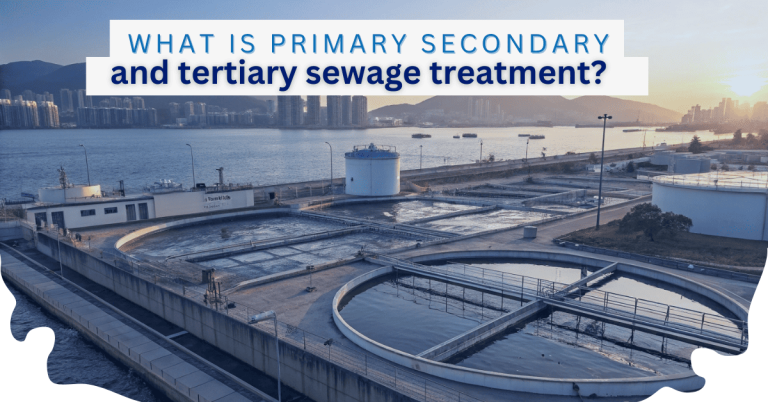
What is preliminary, primary, secondary, and tertiary treatment of liquid waste?
Treating liquid waste involves main stages, each addressing specific pollutants and contaminants. Industrial waste typically requires a tailored approach due to its unique composition and volume.
Preliminary Treatment
Preliminary treatment is the initial stage in the comprehensive treatment of liquid waste, whether from municipal or industrial sources. Its primary function is to remove large debris, grit, and solids from the wastewater and to protect downstream equipment from damage or interference caused by these materials. While this stage does not substantially alter the overall quality of the wastewater in terms of parameters like Biochemical Oxygen Demand (BOD5), it is vital for enhancing the efficiency of subsequent treatment processes.
Primary Treatment
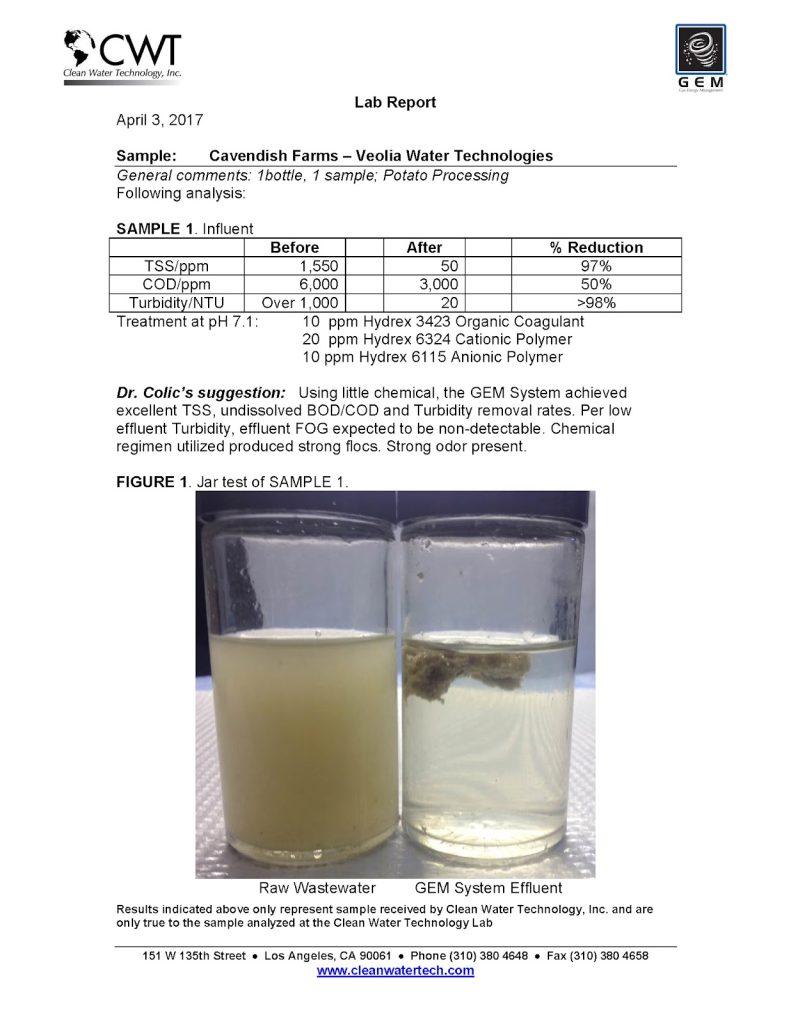
Primary treatment focuses on mechanically removing solid particles and floating materials from wastewater. This includes systems like sedimentation tanks and flotation systems. While sedimentation tanks allow heavier particles to settle, flotation technologies—such as Dissolved Air Flotation (DAF)—are used to remove lighter contaminants like oils, grease, and fine suspended solids.
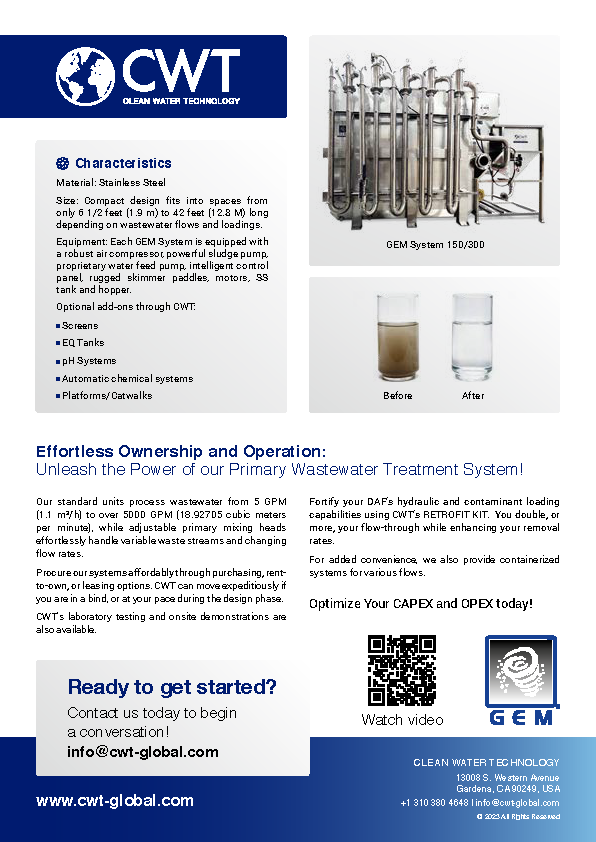
Clean Water Technology offers the GEM System, an advanced DAF solution that enhances primary treatment performance, particularly for industries with floatable waste streams such as food processing or petrochemicals. Incorporating flotation improves overall treatment efficiency and reduces the load on downstream systems.
Secondary Treatment
Secondary treatment relies on biological processes to break down organic matter. Microorganisms are used to digest pollutants, significantly reducing the presence of harmful organic waste. This phase is vital for treating liquid waste with biodegradable materials, such as food processing wastewater.
Tertiary Treatment
Tertiary treatment involves advanced filtration, disinfection, and nutrient removal. Designed to meet higher quality standards, this stage often employs sophisticated technologies tailored to industrial effluents. Whether through membrane filtration or chemical neutralization, tertiary treatment ensures contaminants like nitrates, phosphates, and heavy metals are eliminated.
Industrial wastewater treatment frequently goes beyond these three levels, as certain industries must adhere to stricter regulatory standards, requiring specialized technologies or additional steps.
Waste stream example
To better understand how waste streams vary by industry, here are a few examples:
- Food processing: Industries in this sector often generate high-organic waste, including fats, oils, proteins, and sugars. These require intensive biological treatment to prevent environmental pollution.
- Textile production: Dye-laden wastewater and chemical runoff are common in textile manufacturing. Proper treatment is needed to remove toxic dyes and residual chemicals.
- Petrochemical: Effluents from petrochemical plants often contain hydrocarbons and heavy metals that demand complex filtration and chemical removal.
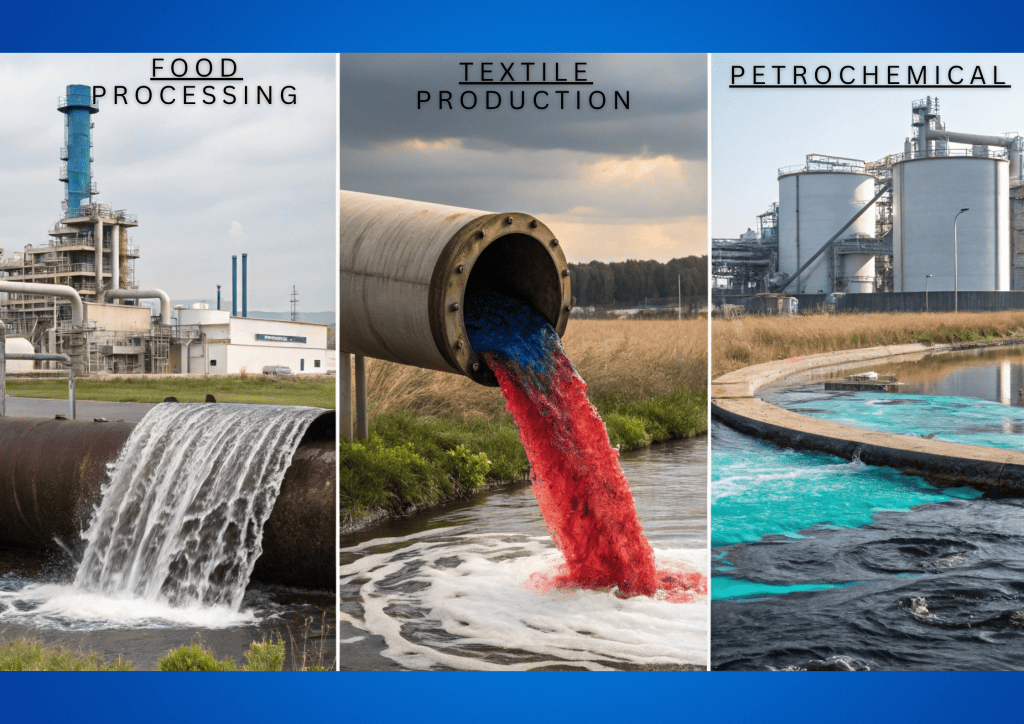
Identifying waste streams specific to an industry helps in selecting the most effective treatment strategy. For instance, knowing whether you’re dealing with a waste stream example like dye-contaminated runoff or oil-laden effluent allows for tailored solutions that maximize efficiency and compliance.
Want to Better Understand Your Waste Stream?
Start with a FREE CWT Water Test Kit. Our laboratory analysis helps identify key wastewater characteristics so our engineers can better understand your waste stream and treatment needs.
Managing your industrial liquid waste stream efficiently is crucial for maintaining regulatory compliance and optimizing operational performance. At CWT, we specialize in delivering tailored Industrial Wastewater Treatment solutions designed to meet your specific needs. Contact us today to learn how we can enhance your system, ensure seamless compliance with regulations, and improve overall efficiency.
Disclaimer
The information in this article is provided for general educational purposes and to promote overall awareness. It is not intended as engineering, legal, or other professional advice, and should not be used in place of consultation with qualified professionals familiar with your specific application and conditions. This content should not be considered exhaustive.