Industrial Wastewater Treatment Techniques

Water is an essential resource for sustaining human activities and the environment. Industrial operations generate substantial quantities of wastewater that can be highly polluted and contain toxic contaminants, posing significant environmental and public health challenges.
The characteristics of industrial wastewater, including its quantity, concentration, and pollutant type, vary widely among different industries. Understanding these characteristics is crucial for selecting and implementing appropriate treatment techniques in wastewater treatment facilities to promote sustainable water usage.
What are the techniques of wastewater treatment?
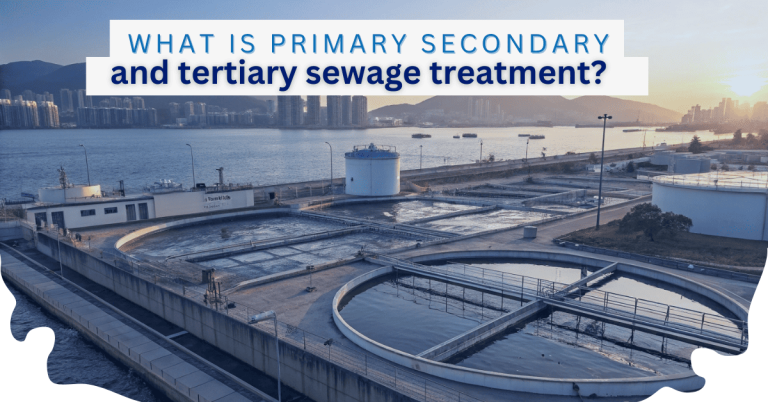
Wastewater treatment generally involves a series of processes, categorized by physical, chemical, and biological methods. These methods are applied across different stages of treatment, typically including preliminary, primary, secondary, and tertiary stages. The goal of treating wastewater is to remove contaminants before discharge or reuse.
Physical methods focus on the removal of pollutants through entirely physical processes. Examples include screening, comminution, grit removal, sedimentation, dissolved air flotation (DAF), adsorption, ion exchange, and membrane filtration. These techniques are crucial for removing suspended solids, oil, grease, and other particulate matter.
Chemical methods utilize chemicals to induce reactions that result in the removal of pollutants. Common chemical processes include precipitation, coagulation, flocculation, evaporation, distillation, solvent extraction, electrochemical methods, and advanced oxidation processes (AOPs). These methods are effective for removing heavy metals, dyes, and other recalcitrant contaminants.
Biological methods utilize microorganisms to degrade or convert pollutants. Treatment may be via aerobic or anaerobic means, depending on oxygen availability. Biological treatment is primarily used for reducing organic content, and may remove inorganic compounds like heavy metals. Activated sludge is one of the most widely used biological processes.
Preliminary Treatment involves screening out large solids using screens, and may include pH adjustment in an equalization or flash tank.
Primary Treatment consists of flotation, flocculation (potentially in DAF systems), and sedimentation, which may occur in clarifiers where settling takes more time.
Secondary Treatment always involves biological methods, such as anaerobic digestion, anaerobic lagoons, aerobic lagoons, membrane bioreactors (MBR), and moving bed biofilm reactors (MBBR), which are used to degrade dissolved and colloidal organic matter and nutrients.
Tertiary Treatment includes advanced chemical treatment methods such as UV disinfection, ultrafiltration, nanofiltration, reverse osmosis, and ozone treatment to meet specific discharge standards or enable water reuse.
The preliminary and secondary treatment stages generate sludge (excess biomass and particulate matter) that requires management. This sludge can be treated by additional biological methods.
What are the methods of industrial wastewater treatment?
The industrial wastewater treatment process consists of specific methods tailored to counter the diverse and often highly toxic nature of industrial effluents. While municipal wastewater is primarily characterized by biochemical oxygen demand (BOD), industrial wastewater contains a variety of contaminants at varying concentrations depending on the industry. Consequently, municipal wastewater treatment plants (WWTPs) that are primarily designed for BOD removal may not adequately treat industrial wastewater.
Key methods used in industrial environments include:
- Coagulation and Flocculation: These processes are used to aggregate small suspended particles into larger flocs that can be easily settled or filtered. For instance, wastewater from the cement and concrete industries, characterized by high pH and turbidity, is often treated by neutralization followed by sedimentation. Coagulation and flocculation further enhance the removal of total suspended solids (TSS). Polyaluminum chloride coagulant has been effective in ceramic industry wastewater treatment, removing up to 99.9% TSS and 98.23% chemical oxygen demand (COD).
- Adsorption: A simple, low-cost, and effective method for removing a variety of pollutants, including heavy metals, from industrial wastewater. Activated carbon is a popular adsorbent due to its high surface area and wide applicability. Byproducts from the iron and steel industry, such as metallurgical slag, can serve as a low-cost alternative adsorbent for heavy metals like lead, copper, and chromium.
- Activated Sludge (AS): A widely used biological process for treating solids and organic pollutants. In the pulp and paper industry, aerobic treatment systems like AS, aerated lagoons, and stabilization ponds are traditionally used to reduce high organic content. Studies have demonstrated the successful removal of TSS, COD, and BOD from cement industry wastewater using an integrated fixed-film activated sludge process.
- Membrane Filtration: Techniques such as microfiltration (MF), ultrafiltration (UF), nanofiltration (NF), and reverse osmosis (RO) are applied for their effectiveness in filtering out metals and other contaminants based on pore size and membrane material. RO is commonly used for salt removal from seawater and can efficiently remove multivalent ions from wastewater.
- Electrochemical Methods: Electrochemical oxidation (EO) involves direct or indirect oxidation of pollutants at an anode, degrading recalcitrant pollutants with a small footprint and no chemical addition. Electrochemical reduction (ER), an emerging technology, detoxifies and converts toxic organics, removes and recovers metals, and decolorizes wastewater.
Selecting an industrial wastewater treatment plant method depends on factors such as influent wastewater characteristics, regulatory standards, land availability, technological maturity, and economic viability. With the utilization of a single technique often being insufficient, combining several different methods may be necessary to achieve the desired treatment objectives.
What are the techniques for industrial water treatment?
Beyond mere pollutant removal, industrial water treatment increasingly emphasizes water reuse, recycling techniques, and the utilization of zero-liquid discharge (ZLD) processes. Given the growing demand for freshwater and concerns about water scarcity, industries are encouraged to incorporate direct or indirect use of treated water and resource recovery strategies.
Specific industrial wastewater treatment techniques vary considerably by industry type:
- Cement, Concrete, and Ceramics Industry: This wastewater typically has high pH and turbidity, containing suspended and dissolved solids, nutrients, and heavy metals. Treatment often involves neutralization followed by sedimentation, with coagulation and flocculation applied to enhance TSS removal. Biological treatment is less common, but can be effective in specific pilot-scale applications. The utilization of treated wastewater for concrete production is also being explored to reduce freshwater consumption.
- Food Industry: This sector consumes large volumes of water for washing foodstuffs and equipment, generating wastewater rich in organic content and nutrients. Treatment methods include physicochemical processes like sedimentation, adsorption, coagulation-flocculation, DAF, UF, RO, and UV. Additionally, biological treatments such as activated sludge, aerobic lagoons, and anaerobic digestion (e.g., Upflow Anaerobic Sludge Blanket (UASB) reactor) may be applied. Resource recovery, such as via biogas production, is encouraged in this sector.
- Iron and Steel Industry: This wastewater contains BOD, COD, oil, metals, acids, phenols, and cyanide. Treatment involves physical, biological, and chemical methods, with adsorption being a simple and cost-effective method for heavy metal removal. Emerging processes like hybrid biological processes, AOPs, and membrane filtration are also utilized. Water recycling and reuse are crucial for this industry.
- Pulp and Paper Industry: This industry generates high volumes of wastewater containing TSS, BOD, COD, dirt, grit, fibers, and organic compounds like lignin. Both aerobic and anaerobic biological treatment methods are commonly used to reduce high organic content. Chemical methods, including chemical precipitation, coagulation, flocculation, and advanced oxidation processes (AOPs) such as ozonation and Fenton oxidation, are also employed, often in combination with biological treatment to enhance efficiency.
- Textile Industry: Wet processes in textile manufacturing are water-intensive and produce highly polluted wastewater with varying characteristics, including high BOD, TSS, color from dyes, and potentially – heavy metals. Treatment may encompass physical, biological, and chemical methods. Ion exchange and adsorption have been studied for dye removal, though cost can be a limitation for industrial scale applications.
- Pharmaceutical and Chemical Manufacturing: This class of wastewater is highly varied in chemical composition and can contain inhibitory substances and metals. Treatment trains often involve pH control, nutrients supplementation, and biological processes; sometimes preceded by dissolved air flotation for oil and grease removal or chemical precipitation for metal removal. Segregation and blending of waste streams are important considerations.
The effective treatment of industrial wastewater is critical for achieving sustainable development goals, including preserving water quality and promoting circular economy principles where wastewater is seen as a resource meriting recovery.
What are the advanced treatment techniques for industrial wastewater?
Advanced treatment techniques for industrial wastewater go beyond conventional methods, often involving innovative technologies to address complex pollutants, enhance efficiency, and facilitate resource recovery. A comprehensive review of Industrial wastewater treatment techniques highlights several such advancements:
- Membrane Bioreactors (MBRs): Often used in municipal wastewater treatment, MBRs combine activated sludge with membrane filtration (e.g., microfiltration or ultrafiltration). This system allows for high-quality effluent, reduced footprint, and effective removal of organics and nutrients, making it suitable for complex industrial effluents that might involve anaerobic/aerobic pretreatment.
- Advanced Oxidation Processes (AOPs): AOPs involve the generation of highly reactive species such as hydroxyl radicals to degrade persistent organic pollutants that are difficult to treat with conventional methods. Examples include ozonation, Fenton oxidation (Fe3+/H2O2), photo-Fenton, and photocatalysis (TiO2/UV). AOPs are particularly effective for degrading dyes, pigments, and halogenated hydrocarbon compounds. Combining AOPs with biological treatment can improve overall efficiency and reduce costs.
- Electrochemical Methods: These encompass electrochemical oxidation (EO), electrochemical reduction (ER), and electrodialysis (ED). EO effectively degrades recalcitrant pollutants without chemical addition, offering a small footprint. ER is being studied for detoxifying organics, denitrification, and metal removal/recovery. ED is used for salt removal and metal recovery from industrial brines, though it may involve high capital and energy costs.
- Biosorption: A simple and cost-effective physico-chemical process where microorganisms, plant parts, or agro-industrial wastes act as biosorbents to bind metals from aqueous solutions. It offers advantages like low operating cost, high uptake capacity, and ease of regeneration without increasing COD.
- Bio-electrochemical Systems (BESs): Emerging as a clean alternative for metal recovery, BESs utilize microbes on electrode surfaces to generate electric current and chemicals from waste materials. They can achieve direct or indirect metal reduction, with some categories allowing for individual or multiple metal recoveries. While promising, current success is largely at the lab-scale due to high costs.
- Nanotechnology: This involves the use of nanomaterials and processes for wastewater treatment, including novel adsorbents and catalysts for AOPs. Nanofiltration (NF) membranes, for example, are efficient in separating compounds with low molecular weight to remove heavy metals from industrial wastewater effectively.
Advanced techniques such as membrane distillation offer low working pressures and high selectivity, but may have disadvantages like high energy demand or lower throughput compared to RO. While these techniques offer significant benefits, including high effluent quality and potential for resource recovery, their implementation often involves higher capital investment and operating costs. Therefore, the selection of a biological process design for wastewater treatment over an advanced physical/chemical method is a critical decision that takes into consideration efficiency, cost, and specific pollutant characteristics.
What are the principles of industrial waste treatment?
The principles of industrial waste treatment are centered on achieving effective pollutant removal while taking into account environmental sustainability, economic viability, and regulatory compliance. Key design principles include:
- Load Balancing (Equalization): Industrial wastewater flows and composition can be highly variable due to fluctuating production schedules, batch operations, or slug discharges. Equalization tanks are crucial for buffering these variations, ensuring a more consistent flow and pollutant load to downstream treatment units. Proper mixing within these tanks prevents settling and helps to prevent septic conditions.
- Process Efficiency: Treatment processes must be designed to effectively remove target pollutants to meet discharge limits. This involves understanding the nature of the wastewater, including its organic strength (BOD, COD), level of suspended solids, and presence of specific toxic compounds. Optimized process parameters such as pH, temperature, and nutrient levels are vital for efficient biological and chemical reactions.
- Effluent Quality: The ultimate goal is to produce treated effluent that meets or exceeds regulatory standards for discharge or reuse. This often requires multiple treatment stages combining physical, chemical, and biological methods, as a single technique is rarely sufficient to achieve comprehensive treatment. For example, parameters like TSS, BOD, COD, pH, specific metals, nutrients, and indicator microorganisms are typically addressed.
- Regulatory Considerations: Compliance with environmental regulations is a primary driver for industrial wastewater treatment. Developed nations typically enforce strict wastewater quality regulations and possess the necessary technology and infrastructure to achieve compliance. The consequences of untreated discharge can be severe, including environmental degradation and risks to public health.
- Sustainability Goals: Modern industrial wastewater treatment extends beyond compliance to embrace sustainable practices and resource recovery. Concepts like the circular economy (CE) aim to transform the “Take-Make-Dispose” model into a “cradle-to-cradle” approach, integrating resource recovery, energy production, and clean water generation. This includes recovering valuable resources like metals, nutrients (nitrogen and phosphorus), and energy (e.g., biogas from anaerobic digestion).
Characteristics of industrial wastewater
Industrial wastewater is highly variable in character, reflecting the diverse processes and raw materials used across different industries. This variability necessitates a selective approach to treatment rather than a one-size-fits-all solution.
Common pollutants and their characteristics include:
- Organic Compounds: Measured by Biochemical Oxygen Demand (BOD) and Chemical Oxygen Demand (COD), these indicate the amount of oxygen required for the stabilization of biodegradable organic content. Agro-industrial wastewater, such as from palm oil mills, tapioca starch extraction, sugar milling, and coconut cream extraction, often has very high organic strength. Food industries including meat, dairy, fruits, vegetables, edible oils, and bakeries also generate wastewater with high BOD and COD. Textile dyeing wastewater can have moderate to high BOD and COD.
- Suspended Solids (SS): Both inorganic (Fixed Suspended Solids or FSS) and organic (Volatile Suspended Solids or VSS) particulates contribute to turbidity that can form sludge layers while interfering with light penetration and aquatic life respiration. Cement, concrete, and ceramic industries produce effluents high in suspended solids. Pulp and paper mills generate TSS, dirt, grit, and fibers.
- Heavy Metals: These are commonly discharged from various industries like chemical, textile, leather, mining, battery manufacturing, and electroplating. Examples include copper, zinc, cadmium, chromium, mercury, iron, lead, nickel, and arsenic. These metals are often toxic and carcinogenic, posing severe threats to human health and aquatic life. Wastewater from rubber-related industries, for example, can contain significant levels of zinc.
- Oil and Grease (O&G): These are frequently found in industrial wastewater such as that produced by soft drinks bottling plants, food processing, and palm oil mills. O&G interferes with oxygen transfer at the air-water interface and can be inhibitory.
- pH: Industrial discharges can have extreme pH values (highly acidic or alkaline). pH adjustment is often a preliminary treatment step to bring the wastewater to a range suitable for subsequent biological or chemical processes.
- Nutrients: Nitrogen and phosphorus are essential for biological growth, but excess quantities can lead to eutrophication. While some industrial wastewaters like slaughterhouse wastewater may require nutrient removal, many others may require nutrient supplementation (e.g., urea and phosphoric acid) due to their organic content being too high relative to existing nitrogen and phosphorus, leading to nutrient deficiency for the bioprocess.
- Temperature: Industrial discharges can have temperatures substantially above ambient, reducing oxygen solubility and potentially causing thermal shock to aquatic species.

The presence and concentration of these pollutants dictate the specific treatment train required for each industrial wastewater stream.
What are the sources of industrial wastewater?
Industrial wastewater originates from various human activities related to raw-material processing and manufacturing. These wastewater streams result from processes such as washing, cooking, cooling, heating, extraction, reaction by-products, separation, conveyance, and quality control, leading to product rejection. While some domestic sewage from washrooms or worker hostels might be present, it is not the primary component.
Major industrial sources of wastewater include:
- Chemical and Pharmaceutical Industries: These sectors produce highly varied wastewater compositions, often containing specific organic compounds, metals, and inhibitory substances. Many pharmaceutical manufacturers engage in campaign manufacturing, leading to variable wastewater characteristics.
- Food Processing Industry: Encompasses various sectors like meat, dairy, fruits and vegetables, bakery products, grain mill and starch products, edible oils and fats, fish and shellfish, sugar, coffee, and tea production. Water is extensively used for washing foodstuffs and equipment.
- Iron and Steel Industry: Generates wastewater from processes like coking, ironmaking, and steelmaking, containing pollutants such as BOD, COD, oil, metals, acids, phenols, and cyanide.
- Pulp and Paper Industry: Produces wastewater during wood preparation, pulp manufacturing (e.g., kraft process), pulp bleaching, and papermaking, leading to effluents with high TSS, BOD, dirt, grit, and fibers.
- Textile Industry: Wet processes in fabric production (sizing, desizing, scouring, bleaching, mercerization, dyeing, printing, and finishing) require significant water and generate highly polluted wastewater containing dyes, solids, and sometimes heavy metals.
- Cement, Concrete, and Ceramics Industry: Water is used for cooling, washing equipment, and particulate matter removal (e.g., wet scrubbers), resulting in wastewater with high pH, turbidity, suspended solids, dissolved solids, and heavy metals.
Other sources contributing to industrial wastewater include distilleries, sugar mills, mining and quarries, battery manufacturing, nuclear power plants, leather/tannery operations, soap and detergent production, electric power plants, pesticide and biocide manufacturing, petroleum and petrochemical industries, and electroplating.
The question of municipal vs industrial wastewater treatment plants illustrates the impact of the source on treatment selection. Industrial wastewater is typically more toxic and variable, requiring tailored solutions rather than standard municipal treatment facilities. Understanding the specific industry’s operations and the resulting wastewater characteristics is essential for designing an effective treatment strategy.
How do you dispose of industrial wastewater?
Industrial wastewater disposal methods must take into account regulatory compliance and environmental protection strategies to prevent pollution and protect public health. When discharged into open drains, lakes, and rivers, untreated or inadequately treated industrial wastewater can severely contaminate water bodies – including groundwater – threatening aquatic life and human health.
Common discharge and disposal methods include:
- Direct Discharge to Surface Water: Treated industrial wastewater may be discharged into rivers, lakes, or coastal waters. Strict discharge limits are typically imposed on parameters like TSS, BOD, COD, pH, and specific types of pollutants to minimize environmental impact. For example, the Minamata disease tragedy of decades ago highlighted the severe consequences of discharging industrial wastewater containing methyl mercury into water bodies.
- Discharge to Municipal Systems: In some cases, industrial wastewater – especially if less concentrated or pre-treated- can be discharged into municipal wastewater treatment plants (WWTPs) for further treatment. However, municipal WWTPs are primarily designed for domestic sewage and may not be equipped to handle the diverse and often highly toxic pollutants found in industrial effluents. This highlights the need for effective pre-treatment at industrial sites before discharging into municipal systems.
- On-site Reuse and Recycling: A preferred and increasingly emphasized approach is to treat wastewater on-site for reuse or recycling within the industrial facility itself. This reduces overall water consumption and minimizes discharge volumes. Industries are encouraged to implement practices that promote the direct or indirect use of treated water and resource recovery.
- Sludge Disposal: Wastewater treatment processes generate sludges (organic, inorganic, or mixed) that also require careful management and disposal. Sludge can be dewatered using filter presses or drying beds to reduce volume before final disposal, which may involve composting, liming, or landfilling. Minimizing excess biomass production through process manipulation is also a goal.
Globally, an estimated 80% of total wastewater (municipal and industrial), is discharged without any treatment, particularly in low-income regions. High-income countries like those in North America and Western Europe treat a much larger percentage of their wastewater due to enforcement of regulations, technology, and infrastructure. The United Nations World Water Assessment Programme underscores the severity of water scarcity and the increasing number of people affected, while emphasizing that global efforts are needed to increase the quantity of wastewater treated. This calls for robust wastewater management, compliance with regulations, and the adoption of sustainable practices such as resource recovery to mitigate environmental and health risks.
Not Sure Which Treatment Technique Fits Your Facility?
Start with our free Wastewater Survey. It takes about 5 minutes, and our engineers personally review your results to help identify the most appropriate treatment approach.
If you’re ready to upgrade your facility’s approach to water management, contact Clean Water Technology today for expert guidance on implementing cutting-edge industrial wastewater treatment solutions.
Disclaimer
The information in this article is provided for general educational purposes and to promote overall awareness. It is not intended as engineering, legal, or other professional advice, and should not be used in place of consultation with qualified professionals familiar with your specific application and conditions. This content should not be considered exhaustive.