Why is it difficult to treat wastewater?

Treating wastewater presents complex challenges due to its varying sources, wide range of contaminants, and critical safety concerns. Wastewater can originate from households, industries, or agricultural activities, each bringing unique pollutants that require specialized treatment methods. Proper treatment is essential to protect public health, prevent environmental damage, and ensure compliance with regulatory standards.
This guide will help you understand what wastewater is, the key steps involved in its treatment, the obstacles to achieving effective treatment, and the important safety implications crucial to the industry. Whether you’re new to the topic or looking to deepen your understanding, this article covers all critical aspects of wastewater management.
What is wastewater?
Wastewater is any water that has been adversely affected by human use. Its sources primarily fall into three categories:
- Domestic (e.g., household sewage or greywater).
- Commercial (e.g., runoff from car washes or cleaning services).
- Industrial (e.g., manufacturing effluents, chemical discharges).
Each source produces unique contaminants. For example:
- Domestic sources generally include organic matter and biodegradable waste.
- Commercial discharges may contain detergents and grease.
- Industrial wastewater introduces a wide array of pollutants, such as heavy metals, toxic chemicals, and oils.
The classification of wastewater provides categorization into types:
- Greywater (from sinks or showers, less contaminated).
- Blackwater (from toilets, heavily contaminated).
- Industrial effluents (vary based on the industry; often contain highly toxic or non-biodegradable substances).
These differences create significant challenges when it comes to standardizing treatment processes, as varying factors such as individual needs, conditions, or circumstances require tailored approaches rather than a one-size-fits-all solution.
How is wastewater treated?
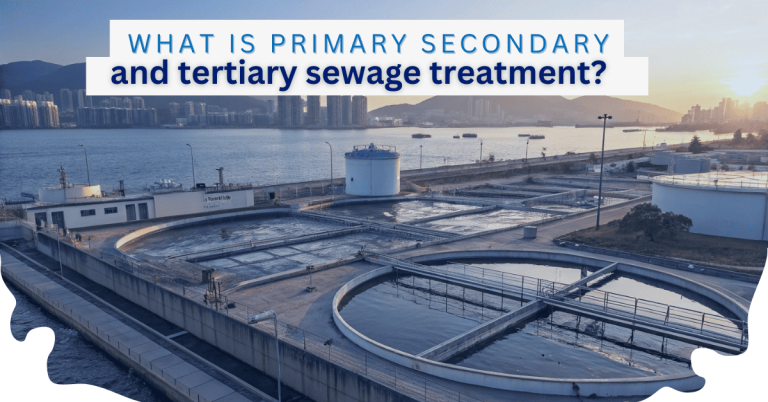
Wastewater treatment is a staged process designed to remove contaminants and restore water for reuse or safe environmental discharge. The primary treatment stages include:
1. Preliminary Treatment: Involves screening out large solids using screens, and may include pH adjustment in an equalization or flash tank.
2. Primary Treatment: Consists of flotation, flocculation (potentially in DAF systems), and sedimentation, which may occur in clarifiers where settling takes more time.
3. Secondary Treatment: Always involves biological methods, such as anaerobic digestion, anaerobic lagoons, aerobic lagoons, membrane bioreactors (MBR), and moving bed biofilm reactors (MBBR). These methods break down dissolved and colloidal organic matter and nutrients.
During primary and secondary treatment, residual solids and biological byproducts accumulate and must be properly managed. These materials, often referred to as sludge, typically undergo further treatment—often through biological processes—to ensure safe disposal or potential reuse.
4. Tertiary Treatment: Includes advanced chemical treatment methods such as UV disinfection, ultrafiltration, nanofiltration, reverse osmosis, and ozone treatment to meet specific discharge standards or enable water reuse.
Each stage employs a mix of physical, chemical, and biological technologies. While complex in their interactions, together these methods provide a comprehensive approach to cleaning wastewater.
A wastewater treatment diagram typically illustrates this process as an interconnected flow of stages, graphically representing each step.

What are the challenges in the treatment of wastewater?
The treatment of wastewater is not without its complexities. Major challenges include:
1. Variation in Waste Stream Composition
- Different industries generate unique effluents based on their operations and products.
- Understanding what is a waste stream highlights the importance of identifying the type, volume, and characteristics of materials present in the water, as these factors are critical in designing effective treatment solutions.
2. Volume Surges
- Sudden spikes in wastewater volumes, especially during heavy rains, can overwhelm treatment plants.
3. Regulatory Compliance
- Environmental policies require stringent adherence to discharge limitations. Keeping up with evolving standards demands constant technological upgrades.
4. Environmental Sustainability
- The question of how industrial waste contributes to water pollution is crucial, as untreated discharges severely harm ecosystems. Contaminants like heavy metals, toxic chemicals, and excess nutrients can wreak havoc, causing problems such as algal blooms and mass fish deaths.
These challenges highlight the need for sophisticated, customized treatment solutions to ensure compliance and protect the environment.
What are the major safety concerns in the wastewater treatment industry?
Working with wastewater introduces several occupational hazards. The major safety concerns are:
1. Pathogen Exposure
- Workers face risks from bacteria, viruses, and parasites present in untreated or partially treated water.
2. Toxic Gases
- Common gases like hydrogen sulfide (H₂S) can accumulate during treatment and pose severe health risks. Methane concentrations also create explosion hazards.
3. Mechanical/Electrical Hazards
- Equipment at treatment plants poses physical dangers, from moving machinery to high-voltage electrical systems.
4. Mitigation Strategies
- Personal Protective Equipment (PPE) like gloves and respirators.
- Training Programs to educate staff on safety protocols.
- Automated Monitoring Systems to detect gas leaks and equipment failures.
By prioritizing safety, wastewater operators not only ensure the welfare of their teams but also maintain the operational efficiency needed for compliance.
Tackling complex wastewater challenges requires expertise and innovative solutions. At Clean Water Technology, we specialize in providing advanced, customized wastewater treatment systems designed to meet the unique needs of your facility. Our technologies prioritize safety, ensure full regulatory compliance, and promote environmental sustainability, helping businesses reduce their ecological footprint.
Not Sure What’s Making Your Wastewater Difficult to Treat?
Start with a FREE CWT Water Test Kit. Our laboratory analysis helps identify key wastewater characteristics and contaminants so our engineers can better understand your treatment challenges.
Whether you’re dealing with industrial wastewater, challenging pollutants, or strict compliance requirements, our team of experts is here to help. Contact Clean Water Technology today to learn more about how we can support your facility’s wastewater treatment needs and create a cleaner, more sustainable future.
Disclaimer
The information in this article is provided for general educational purposes and to promote overall awareness. It is not intended as engineering, legal, or other professional advice, and should not be used in place of consultation with qualified professionals familiar with your specific application and conditions. This content should not be considered exhaustive.