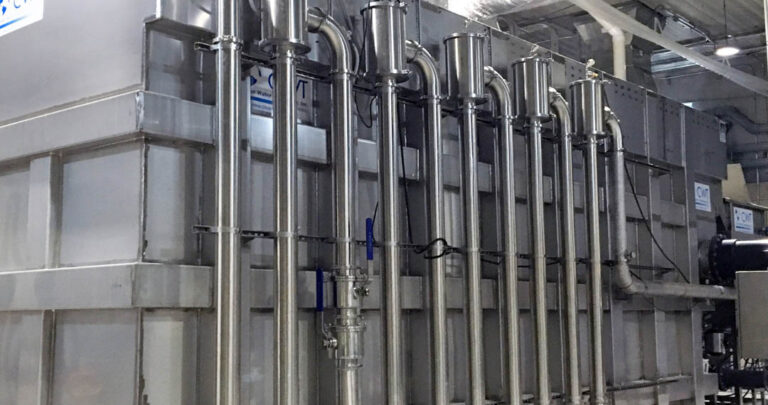
Industrial Wastewater Treatment Process

Managing industrial wastewater treatment is a critical component of environmental preservation and industrial compliance. Proper treatment ensures that harmful pollutants are removed or reduced, minimizing the impact on ecosystems and surrounding communities. By effectively addressing wastewater, industries can significantly reduce pollution, conserve water resources, and meet stringent regulatory requirements designed to protect public health and the environment. The treatment process often involves advanced technologies and tailored solutions, depending on the specific needs of each industry, such as manufacturing, food processing, or chemical production.
Below, we break down the key steps, methodologies, and systems involved in this process, providing insights that can be applied to a variety of industrial applications for greater efficiency and sustainability.
What Are the Different Types of Wastewater Treatment Processes?
The wastewater treatment process steps are divided into stages, each designed to address specific pollutants and contaminants generated by industrial operations.
Preliminary Treatment
This phase focuses on the extraction of coarse solids and dense inert materials to protect downstream infrastructure. Common components include screening mechanisms, grit removal chambers, and, in industrial contexts, oil-water separation units. These systems eliminate large particulates and abrasive matter that could otherwise impair pumps, membranes, and reactors. Despite its simplicity, preliminary treatment is vital for ensuring process stability and minimizing maintenance in high-capacity industrial treatment trains.
Primary Phase Treatment
Primary wastewater treatment centers on the gravity-based or flotation-assisted segregation of suspended solids and buoyant contaminants. Sedimentation basins are deployed to promote sludge formation, while flotation units (e.g., Dissolved Air Flotation systems) target fats, oils, and grease (FOG) that resist settling. In Clean Water Technology systems, the GEM (Gas Energy Mixing) System plays a critical role by efficiently removing TSS and FOG early in the process, before sludge is sent to anaerobic digesters. This separation improves downstream performance and enhances biogas recovery by delivering cleaner, more stabilized organic matter to the digesters. Final dewatering is then handled by mechanical presses or other systems, reducing disposal costs.
Secondary Biological Treatment
Known as biological treatment, this phase leverages microbial degradation pathways to reduce biochemical oxygen demand (BOD) and organic pollutant concentrations. Technologies include activated sludge systems, trickling filters, and aerated lagoon reactors. For industries requiring higher effluent quality or operating under stringent discharge permits, advanced bioreactors such as membrane bioreactors (MBRs) or moving bed biofilm reactors (MBBRs) are employed. These systems are engineered to accommodate variable loading rates and complex influent chemistries, such as those found in pharmaceutical, chemical, and textile manufacturing effluents.
Tertiary Treatment
Tertiary treatment, also known as advanced treatment, is an essential phase in wastewater management. Its primary purpose is to further upgrade the treated wastewater to meet specific quality standards for either direct discharge into the environment or for water reuse and recycling. It aims to remove remaining pollutants that were not sufficiently addressed in earlier stages. This often includes trace toxic organics, persistent pollutants, and micropollutants. It also focuses on nutrient removal, specifically nitrogen (N) and phosphorus (P), which are critical for preventing eutrophication in receiving water bodies.
For industries requiring higher effluent quality or operating under stringent discharge permits, tertiary treatment is crucial.
Together, these treatment stages establish a modular framework adaptable to a broad range of industrial needs, ensuring alignment with site-specific discharge limits, operational constraints, and water quality standards for reuse or release.
Classification of Sewage Treatment Stages and Their Functions
While industrial wastewater treatment presents more variability and complexity than municipal sewage treatment, both rely on a foundational sequence of processes. These types of wastewater treatment systems are designed to progressively eliminate physical, organic, and chemical pollutants through distinct operational stages.
Preliminary Treatment
This phase removes bulky debris and heavy particles. Utilizing mechanisms like coarse screens and grit chambers, preliminary treatment prevents large objects from damaging downstream equipment. Though a simple process, it’s indispensable for industrial setups dealing with high-volume wastewater containing particulate matter.
Primary Treatment
A more refined process than preliminary treatment, primary wastewater treatment employs flotation tanks to separate settleable solids. The separated solids are often referred to as sludge, which undergoes further treatment (such as anaerobic digestion) or dewatering for safe disposal or energy recovery.
Secondary Treatment
Also called biological treatment, this stage uses microorganisms to degrade organic pollutants. Diverse systems such as sequencing batch reactors (MBR), membrane bioreactors (MBR), and aerated lagoons adapt to specific industrial wastewater characteristics. For example, the pharmaceutical industry benefits from secondary treatment systems aimed at chemical decomposition.
Tertiary Treatment
This method uses solid adsorbents (like activated carbon, clay, or biosorbents) to remove organic and inorganic pollutants, including heavy metals and dyes, from wastewater. Activated carbon is widely used for its effectiveness and regeneration ability, but it can be expensive to use and regenerate. MF membranes are used for larger particles like suspended or colloidal matter, oils, grease, and bacteria. UF membranes remove TSS, organics, oils, and pigments. NF membranes can separate lower molecular weight pollutants, including sugar, salt, minerals, heavy metals, oils, and dyes, and are capable of removing bacteria, viruses, and divalent/multivalent ions.
Each of these steps contributes to achieving water quality standards, offering varying degrees of customization depending on industrial needs.
What Are the Methods of the Water Treatment Process?

Unlike industrial wastewater systems, water treatment primarily focuses on producing potable water. The main steps of water treatment are:
- Coagulation and Flocculation
Chemical agents, such as alum or iron salts, are added to water, causing smaller particles to clump together into larger aggregates, or “flocs,” which are easier to remove. This technique finds application in industrial preliminary treatment systems handling turbid water. - Filtration
Through sand or membrane filters, suspended solids are efficiently separated, enhancing the treated water’s clarity. Filtration technologies often overlap with tertiary treatment systems in industries prioritizing water reuse. - Disinfection
To ensure microbial safety, disinfection methods like chlorine dosing or UV irradiation are employed. Industries with high hygiene protocols, like beverage manufacturing, integrate this stage into their production processes.
These steps highlight similarities between potable water treatment and the broader wastewater treatment process flow seen in industrial applications.
What Are the Steps of Wastewater Treatment?
The wastewater treatment process flow can be categorized as preliminary, primary, secondary, and tertiary processes:
Preliminary Treatment
It focuses on removing large and heavy debris, grit, and solids from the incoming wastewater, and adjusting the pH to bring the wastewater within a suitable range. This stage is crucial because it helps to protect downstream equipment (such as pumps and pipes) from damage and clogging and improves the effectiveness of subsequent treatment stages
Primary Treatment
Large solids and suspended matter are typically removed using physical methods like flotation and flocculation.
Secondary Treatment
Microbial action, often enhanced through systems like activated sludge or trickling filters, breaks down biodegradable materials. Energy-efficient variations such as anaerobic digestion also convert waste into biogas, reducing treatment costs in industrial wastewater plants.
Tertiary Treatment
Advanced treatment options focus on achieving higher water quality levels. Filtration, disinfection, and nutrient removal systems ensure that industrial effluents meet specific reuse or discharge standards.
Together, these interconnected stages form the backbone of effective industrial wastewater treatment systems.
What Is the Working Process of a Water Treatment Plant?
Understanding the industrial wastewater treatment process flow involves examining how different components work together within a specialized treatment plant to ensure the effective removal of pollutants. Here’s a detailed, step-by-step look at the process:
Influent Intake
Wastewater is first channeled into treatment plants, where screening systems are used to remove large debris such as sticks, plastic, or other solid materials. This critical initial step protects sensitive equipment downstream from potential damage or blockage, ensuring smooth operations throughout the process. At this stage, grit chambers may also be used to remove sand, gravel, and other heavier solids that could wear down machinery.
Flow Equalization
Balancing tanks play an essential role in regulating variations in water volume and pollutant concentration. Wastewater flow can fluctuate throughout the day, depending on industrial activity. Flow equalization ensures a steady, consistent rate of processing, preventing sudden surges that could overwhelm the system. This step also helps maintain optimal conditions for the downstream biological and chemical treatment processes.
Primary Clarification
In this stage, sedimentation or flotation technologies are used to separate solids from wastewater. Sedimentation tanks allow heavier particles to settle at the bottom, forming sludge. For lighter materials such as oil, grease, and fine suspended solids, Dissolved Air Flotation (DAF) systems offer a more efficient alternative. DAF works by releasing microscopic air bubbles into the water, which attach to floatable particles and lift them to the surface for removal.
Sometimes the dual approach—settling for dense solids and flotation for lighter contaminants—significantly improves the efficiency of primary clarification. Clean Water Technology offers advanced DAF systems designed to optimize this stage, especially in industries with high concentrations of floatable waste. The result is a reduced solid load entering secondary treatment and more consistent performance across the treatment plant.
Biological Treatment
During this secondary treatment phase, microbial degradation systems come into action. These systems, which include aeration basins, sequencing batch reactors (SBRs), or trickling filters, introduce beneficial microorganisms to break down organic pollutants in the wastewater. Oxygen is often added to promote aerobic bacterial activity, ensuring that organic matter is efficiently degraded. This step plays a vital role in reducing the biological oxygen demand (BOD) of the water and making it safer for discharge or further treatment. Advanced biological systems can also be tailored to target specific contaminants, depending on the type of industrial waste being treated.
Polishing Systems
The final stage involves tertiary or advanced treatment systems (sometimes referred to as polishing systems), to handle complex effluents. These systems are designed to remove remaining nutrients like nitrogen and phosphorus, or trace contaminants that might still be present, such as heavy metals or pharmaceutical residues. Technologies during this stage can include filtration, activated carbon adsorption, disinfection (using UV light or chlorine), or advanced oxidation processes. Polished effluent is often clean enough to meet stringent regulatory standards and can sometimes even be reused for industrial applications or irrigation.
By tailoring plant designs to operational goals and industry-specific requirements, industrial wastewater treatment plants achieve exceptional pollutant removal efficiency while ensuring compliance with environmental standards. Each step of the process is critical to protecting natural water resources and promoting sustainable industrial practices.
Drinking Water Treatment Process
The drinking water treatment process is designed to ensure that water is safe and clean for human consumption, prioritizing the removal of harmful pathogens, pollutants, and other impurities before it reaches end users. This process involves multiple stages, including filtration, disinfection, and sometimes advanced techniques like reverse osmosis or UV treatment, all aimed at meeting strict regulatory standards for potable water.
The primary distinction between drinking water treatment and industrial wastewater recycling systems lies in the level of regulatory compliance and the intended use of the treated water. Drinking water must meet rigorous health and safety standards to be consumed without risk, whereas treated industrial water is often permitted to retain higher levels of neutral contaminants. While this makes it suitable for processes like cooling, cleaning, or internal reuse within industrial operations, it is not deemed safe for human consumption. This difference reflects the specific needs and goals of each system, ensuring both public health and efficient resource management within industries.
What Are the Physical Unit Processes in Wastewater Treatment?
Physical treatment processes are essential for separating non-dissolved waste components in wastewater management. These processes serve as the foundation for many treatment systems, ensuring effective removal of solid impurities early in the treatment cycle. Examples include:
- Screening: Preliminary treatment methods utilize coarse screens to remove large floating solids, such as plastics, debris, and other coarse materials, from the wastewater stream. This step is critical in reducing blockages and protecting downstream treatment equipment from damage.
- Separation Processes: A variety of separation or sedimentation technologies are used in industrial wastewater treatment to remove suspended solids and reduce organic load early in the process. These include dissolved air flotation (DAF), Gas Energy Mixing (GEM), coagulation, and flocculation—all of which work to aggregate and remove fine particulates from the water. In some industries, sedimentation using clarifiers may also be applied, particularly when dealing with high-density particles like sand or mineral residues. Effective separation at this stage enhances the performance of downstream treatment systems and contributes to overall process efficiency.
These physical treatment methods not only improve the quality of wastewater but also support the sustainable management of industrial and municipal water systems.
What Are the Main Processes in Wastewater Treatment?
The main processes in wastewater treatment are carefully designed to address different types of pollutants, ensuring effective treatment and compliance with regulations. Industrial wastewater systems in particular are tailored to the complexity and variety of waste produced by specific industries. Key methods include:
- Chemical-neutralization systems for pH adjustment: These systems balance the acidity or alkalinity of wastewater, ensuring it is safe for discharge and does not harm the environment or equipment.
- Mechanical solid separation processes, like centrifugation These processes separate suspended solids and particulate matter from wastewater, improving clarity and reducing the load on downstream treatment systems.
Disinfection protocols, including UV or ozone applications: Disinfection removes harmful pathogens and bacteria from wastewater, using advanced methods like ultraviolet light or ozone to ensure safe and clean effluent.
Customizing these components allows industries to not only meet strict discharge limits but also contribute to sustainability goals by reducing waste, conserving resources, and minimizing their environmental footprint.
Types of Treatment Plants
The processes used to treat industrial wastewater—whether physical, biological, or chemical—are implemented within specific types of treatment plant systems. These systems vary in complexity, capacity, and operation, depending on the nature of the wastewater and the needs of the facility. Understanding these plant types helps align process selection with operational goals.
One of the most common systems is the Activated Sludge Plant (ASP), which uses oxygen-powered microbial activity to break down organic pollutants. Due to their efficiency and ability to handle varying influent compositions, ASPs are widely used across municipal and industrial settings. Their continuous operation makes them ideal for facilities with consistent wastewater flow.
For smaller industries or those looking for minimal operational demands, Extended Aeration Plants provide a practical and reliable option. These systems are easy to maintain, require less operator involvement, and still deliver solid treatment performance. Their simplicity makes them well-suited for operations with limited technical infrastructure or staffing.
In contrast, Membrane Bioreactors (MBR) or Sequencing Batch Reactors (SBRs) are designed to manage variability. Operating in timed batches, MBRs or SBRs are ideal for industries with intermittent or highly variable flow patterns. They offer a high degree of control and treatment efficiency, making them particularly useful for facilities where effluent characteristics can shift throughout the day or between production cycles.
Selecting the appropriate plant type depends on multiple factors, including flow consistency, pollutant concentration, regulatory standards, and operational resources. By matching treatment technology with site-specific requirements, industries can ensure optimal performance, long-term reliability, and environmental compliance.
Not sure which treatment process fits your facility?
Start with our free Wastewater Survey. It takes about 5 minutes, and our engineers personally review your results.
Summary
Efficient wastewater treatment is crucial for sustainable industrial operations and environmental preservation. By selecting the appropriate treatment technology, industries can ensure regulatory compliance, protect natural water sources, and contribute to a greener future. Investing in advanced and customized treatment systems not only improves operational efficiency but also demonstrates a commitment to environmental stewardship.
Take the next step toward sustainability—explore tailored wastewater treatment solutions with Clean Water Technology today and make a positive impact on both your industry and the planet.
Disclaimer
The information in this article is provided for general educational purposes and to promote overall awareness. It is not intended as engineering, legal, or other professional advice, and should not be used in place of consultation with qualified professionals familiar with your specific application and conditions. This content should not be considered exhaustive.